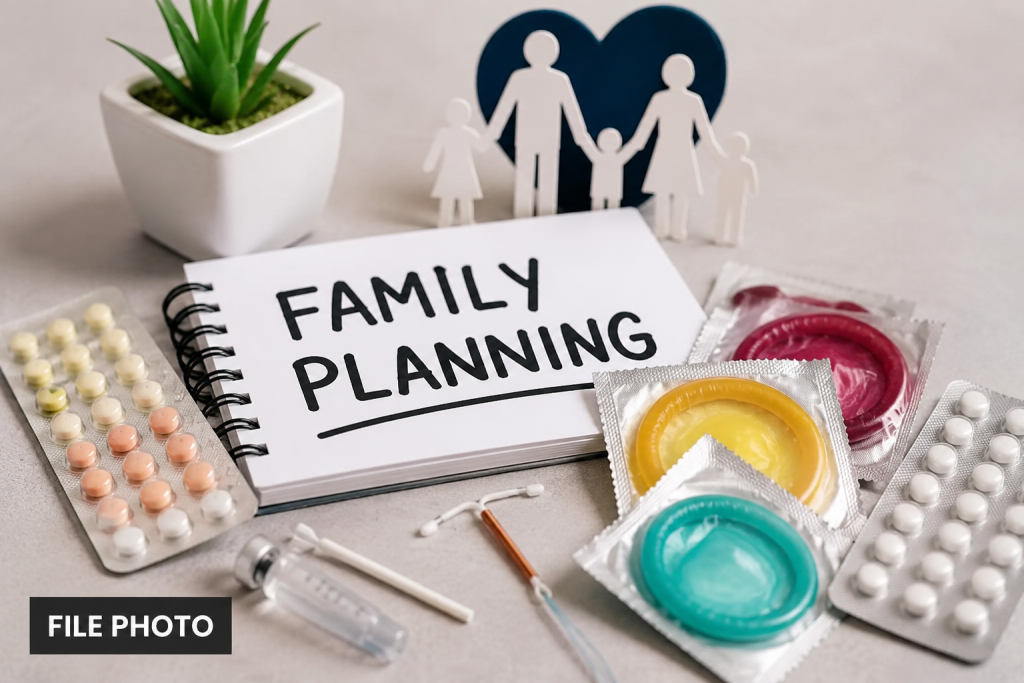
Having worked at a family planning unit of the public health directorate of a health facility in Ghana some years ago, I personally understood in practice the importance of offering individuals opportunity to decide when and how they want to have a family involving children. Before moving on, what is really family planning?
Family planning is a vital aspect of public health that focuses on reproduction and reproductive health. Its goal is to assist the public in making these decisions through personal planning: when to have children, the number of children and spacing of pregnancies.
Family planning is done using medically approved means through the use of contraceptive methods and fertility examination or treatment. Clients are thoroughly taken through education, counseling about the various contraceptive methods including their pros and cons to help them make informed decisions.
Additionally, Family planning when done properly offers individuals the choice to prepare emotionally, physically, financially before starting a family or having more babies.
Why Family Planning Matters
Proper family planning provides numerous health and social benefits, including:
- Preventing unintended pregnancies.
- Reducing the risk of maternal and infant deaths.
- Allowing mothers enough time to recover between pregnancies.
- Improving the health and development of children.
- Helping families plan financially for their children's future.
- Supporting women's education and career goals.
Health experts generally recommend waiting at least 18 to 24 months after childbirth before becoming pregnant again. Adequate birth spacing lowers the risk of premature birth, low birth weight, and pregnancy-related complications.
Family Planning Methods
Modern family planning offers several safe and effective options.
Barrier Methods
Barrier methods prevent sperm from reaching the egg and include:
- Male condoms
- Female condoms
Condoms also help protect against sexually transmitted infections (STIs).
Hormonal Methods
Hormonal contraceptives work by preventing ovulation or making pregnancy less likely. These include:
- Birth control pills
- Injectable contraceptives
- Hormonal implants
- Contraceptive patches
- Vaginal rings
Intrauterine Devices (IUDs)
Copper and hormonal IUDs provide long-term pregnancy prevention and can be removed whenever pregnancy is desired.
Permanent Methods
Permanent contraception is suitable for individuals or couples who have completed their families. These methods include:
- Tubal ligation for women
- Vasectomy for men
Natural Family Planning
Natural methods involve identifying fertile days by monitoring menstrual cycles, body temperature, or cervical mucus. These methods require proper education and consistent use to be effective.
Preparing for a Healthy Pregnancy
When planning to have a baby, prospective parents should take steps to improve their health before conception.
Important preparations include:
- Scheduling a medical check-up before pregnancy.
- Taking folic acid supplements as recommended.
- Eating a balanced and nutritious diet.
- Exercising regularly.
- Avoiding smoking, alcohol, and illicit drugs.
- Managing chronic health conditions such as diabetes or hypertension.
- Beginning antenatal care as soon as pregnancy is confirmed.
Common Misconceptions About Family Planning
Many myths discourage people from using family planning services. Understanding the facts is essential.
Myth: Family planning causes permanent infertility.
Fact: Most contraceptive methods are reversible, and fertility usually returns after discontinuation.
Myth: Only married couples should use family planning.
Fact: Reproductive health information is important for all people of reproductive age.
Myth: Breastfeeding completely prevents pregnancy.
Fact: While breastfeeding may delay ovulation under specific conditions, it should not be relied upon as the sole method of contraception unless advised by a healthcare provider.
When to Seek Medical Advice
Consult a qualified healthcare provider if you:
- Need help selecting the most appropriate contraceptive method.
- Experience side effects after starting contraception.
- Have difficulty becoming pregnant after trying for an extended period.
- Miss your menstrual period and suspect pregnancy.
- Experience severe abdominal pain or unusual vaginal bleeding.
Family planning: a couple or individual choice?
It is important to point out that an individual can seek family planning services without the consent of their partner, including within marriage. Although healthcare providers strongly encourage couples to discuss family planning together and make joint decisions whenever possible, the final decision rests with the individual.
If, for any reason, a person chooses to use a family planning method without their partner's knowledge or approval, healthcare providers respect that decision and provide confidential care in accordance with professional and ethical standards.
In Ghana, clients are encouraged to proceed with their decision to seek family planning services even if their partners do not agree. In a conservative society like Ghana, many people still have misconceptions about family planning. As a result, some individuals discourage or oppose its use because they lack accurate information about its benefits and safety. Public education and awareness are therefore essential to correct these misconceptions and promote informed reproductive health decisions.
Conclusion
Family planning is a vital component of maternal and child health. It enables individuals and couples to make informed reproductive choices, improve pregnancy outcomes, and provide better care for their families. By seeking accurate information and professional guidance, families can make decisions that promote healthier mothers, healthier babies, and a brighter future for generations to come.
Disclaimer: This article is intended for educational and informational purposes only. Although it draws on the author's practical experience in a Ghanaian public healthcare family planning unit and is based on accepted public health principles, it should not be considered a substitute for professional medical advice, diagnosis, or treatment. Family planning decisions are personal and should be made after consulting a qualified healthcare professional. Individuals are encouraged to visit the nearest health facility for appropriate counselling and guidance based on their specific health needs and circumstances.
Read more on this topic from link below: