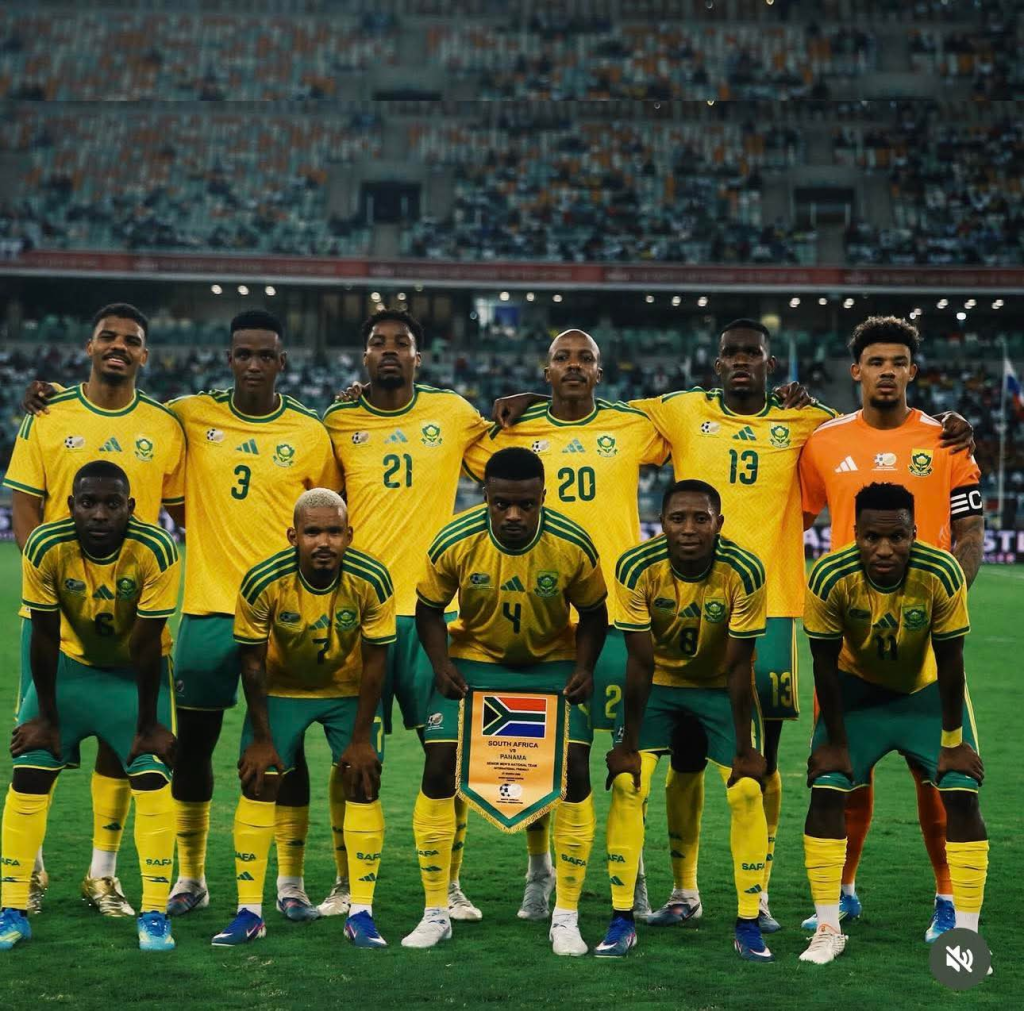
When South Africa walked onto the pitch against Mexico in the opening match of the 2026 FIFA World Cup, not many would have expected Africans across the continent to rally behind Mexico and not the continent's sole representative in the tournament opener. Interestingly that’s what happened.
For most observers, the reaction was not surprising. It reflected years of frustration over recurring reports of xenophobic attacks against fellow Africans living and working in South Africa.
Football Meets Politics
Football has always been more than just a game. It often becomes a stage on which broader social and political issues are expressed.
In the build-up to the Mexico-South Africa clash, social media users from countries including Ghana, Nigeria, Zimbabwe, Malawi and others shared posts explaining why they were backing Mexico instead of South Africa. Many cited concerns about the treatment of African migrants in South Africa and recent anti-immigrant tensions.
While not all Africans shared that view, the debate quickly became one of the most talked-about stories surrounding the World Cup opener.
The Shadow of Xenophobia
South Africa has battled accusations of xenophobia for years.
Since 2008, the country has experienced several waves of violence and hostility directed at foreign nationals, particularly African migrants. Human rights organizations and governments across Africa have repeatedly expressed concern over attacks targeting immigrants, traders and workers from neighbouring countries.
More recently, renewed anti-immigrant protests and tensions prompted concern among several African governments. In May 2026, hundreds of Ghanaians were reportedly repatriated from South Africa following heightened fears linked to anti-immigrant unrest.
For many Africans, those events remained fresh in their minds as the World Cup began.
“This Is About More Than Football”
Several public commentators argued that supporting Mexico was a symbolic protest against xenophobia.
Online discussions featured comments from Africans who said they could not support South Africa while fellow Africans continued to face hostility in some communities there. Similar sentiments were echoed by public figures who urged Africans to use the World Cup opener to send a message against anti-immigrant attitudes.
Others disagreed, arguing that ordinary South Africans should not be punished for the actions of a minority and that football should remain separate from politics.
Not All South Africans Support Xenophobia
It is necessary to note that many South Africans have repeatedly condemned xenophobic violence.
Civil society groups, religious leaders, political organizations and ordinary citizens have often spoken out against attacks on foreign nationals. Human rights groups have also documented efforts by South Africans working to protect migrants and promote African unity.
As a result, some Africans believe it is unfair to judge an entire nation based on the actions of extremist groups or individuals.
A Sign of Deeper Frustrations
Whether one agrees with the support for Mexico or not, the debate highlights deeper frustrations within Africa.
Many Africans view the continent's challenges as interconnected and expect fellow African countries to embrace the spirit of Pan-African solidarity. When incidents of xenophobia occur, they often generate reactions far beyond national borders.
The Mexico-South Africa World Cup opener therefore became more than a football match. For some supporters, it became a referendum on African unity, migration and the treatment of fellow Africans.
The Bigger Question
South Africa's defeat to Mexico may eventually be forgotten as the tournament progresses, but the discussion it sparked is likely to continue.
The reactions seen before and after the match suggest that for many Africans, concerns about xenophobia remain unresolved. Until those concerns are adequately addressed, football may continue to serve as a platform through which broader social frustrations are expressed.
As the World Cup unfolds, one question remains: can Africa truly unite behind one of its own when many still feel unwelcome in parts of the continent?