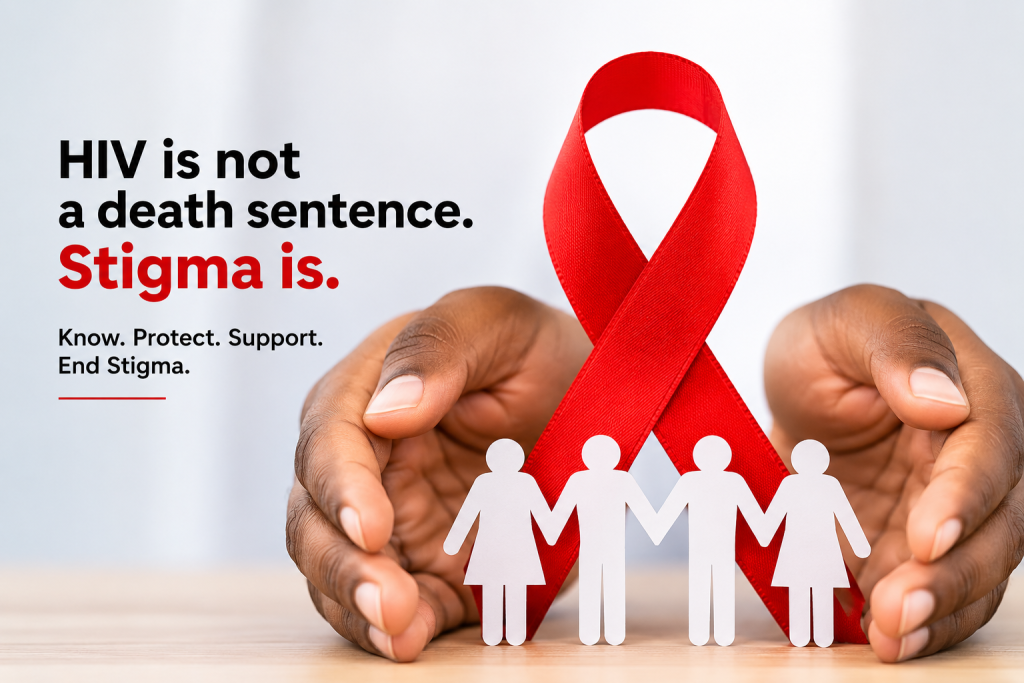
Undoubtedly, the biggest problem of HIV/AIDS today is not treatment or management. The single most dangerous aspect of this health condition is the persistent thorn of stigmatization, which has lingered from the early days of the epidemic in the 1980s until now.
In my local Ewe dialect, HIV is called "Dika Naku," which literally means "grow lean and die." This was how many people understood the disease decades ago when there was no effective treatment. At the time, public education largely focused on the frightening consequences of HIV infection in an attempt to discourage unsafe sexual practices and reduce its spread.
Today, however, the situation has changed significantly. Medical science has made remarkable breakthroughs in the prevention, treatment, and management of HIV. Although there is currently no widely available cure, advances in medicine now enable many people living with HIV to live long, healthy, and productive lives when they receive early diagnosis and adhere to treatment.
Despite these advances, HIV/AIDS remains a major public health concern around the world, particularly in Africa. In my opinion, one of the greatest reasons is the persistent misconception and stigmatization surrounding the disease.
Why would someone knowingly disclose his or her HIV status to family members, friends, or even a spouse when they are almost certain they will be judged, rejected, discriminated against, or openly stigmatized? This fear has, for many years, become a dangerous disease on its own, preventing many people from getting tested early, seeking treatment promptly, or even discussing their condition openly.
As a healthcare professional, I always advise people that if they know they cannot withstand the emotional burden of HIV-related stigma, they should make every effort to protect themselves from infection through responsible behaviour and appropriate preventive measures. Prevention remains better than cure.
Some Key Facts About HIV/AIDS
- Did you know that if someone is potentially exposed to HIV through events such as unprotected sexual intercourse or a needle-stick injury, there is an opportunity to significantly reduce the risk of infection? This is achieved through Post-Exposure Prophylaxis (PEP), which should be started as soon as possible and within 72 hours after exposure. The earlier treatment begins, the greater the chance of preventing HIV infection.
- Did you know that a person living with HIV who consistently takes antiretroviral medication and achieves an undetectable viral load does not sexually transmit HIV to an HIV-negative partner? This scientific principle is known as Undetectable = Untransmittable (U=U). However, this depends on strict adherence to treatment and regular medical follow-up.
- Did you know that someone can live with HIV for several years without obvious signs or symptoms? Such a person may appear healthy, energetic, and physically fit while unknowingly carrying the virus. This is why physical appearance alone cannot determine whether someone has HIV. Regular HIV testing remains one of the most reliable ways to know one's status.
- Did you know that HIV does not usually kill directly? The virus gradually weakens the body's immune system by attacking important disease-fighting cells. Without treatment, this makes the body vulnerable to serious infections and certain cancers, which may eventually become life-threatening. This advanced stage of HIV infection is known as Acquired Immunodeficiency Syndrome (AIDS).
Conclusion
In the final analysis, if we can remove this ugly and deeply rooted clothing of stigmatization from HIV/AIDS, the fight against the disease would become much easier.
Thanks to modern medicine, HIV is no longer the death sentence it was once perceived to be. Many people living with HIV can now enjoy long, productive, and fulfilling lives through early diagnosis, consistent treatment, and regular medical care.
From my experience working on the clinical side of healthcare, it is relatively uncommon today to find large numbers of patients occupying hospital beds for prolonged periods solely because of HIV infection. Yet every year, we continue to hear alarming statistics about new HIV infections.
To me, this suggests that Ghana's greatest challenge is no longer simply the virus itself but the fear, discrimination, and silence that still surround it. If Ghana truly wants to reverse the trend of new HIV infections, then alongside strengthening prevention, testing, and treatment services, we must also tackle and cure the stubborn disease of HIV stigmatization.
Only then can more people confidently know their status, seek timely treatment, and help reduce the spread of the infection without fear of being judged or rejected.
Check my video on the topic below
People are reading these; click link below to see more:
Why you have to encourage your cheating partner to use condom
Generalized HIV epidemic in Ghana-Ghana Aids Commission reveals